
Something new has just taken the world by storm, and that is the European Union AI Act. In this episode, we’re going to talk about this AI Act in simple terms so you know how to navigate the ever-changing landscape of using artificial intelligence in your writing. Something new has just taken the world by storm, and that is the European Union AI Act. In this episode, we’re going to talk about this AI Act in simple terms so you know how to navigate the ever-changing landscape of using artificial intelligence in your writing.
On May 21, 2024, the European Union formally adopted the AI Act. This law officially entered into force on August 1, 2024, and companies had until August 16 to make sure they complied with this new law. On May 21, 2024, the European Union formally adopted the AI Act. This law officially entered into force on August 1, 2024, and companies had until August 16 to make sure they complied with this new law. This is the world’s first major set of laws governing artificial intelligence, and it judges how dangerous artificial intelligence can be. This particular law outlines what is banned, what is safe, and what is risky. This is the world’s first major set of laws governing artificial intelligence, and it judges how dangerous artificial intelligence can be. This particular law outlines what is banned, what is safe, and what is risky.
How Tools have been used:
Up until now, there have been tools such as GPT-0 and originality.ai that were created to analyze sentence patterns to discover the predictability and probability of artificial intelligence involvement in writing. The problem with a clean, well-edited human prose is that it can look more like artificial intelligence to these tools. I purposefully uploaded something I wrote years ago, and it came back 60% AI-written. It was a false positive. I took something that Claude AI wrote for me, and it came back at 90% human-written, again another false positive. With this new tool Up until now, there have been tools such as GPTZero and originality.ai that were created to analyze sentence patterns to discover the predictability and probability of artificial intelligence involvement in writing. The problem with a clean, well-edited human prose is that it can look more like artificial intelligence to these tools. I purposefully uploaded something I wrote years ago, and it came back 60% AI-written. It was a false positive. I took something that Claude AI wrote for me, and it came back at 90% human-written, again another false positive.
What is changing?
With this new law that the European Union has just outlined, artificial intelligence, whether it is using image or video generation or text generation, will now be adding in watermarks. It is a hidden bias using binary code and a specific pattern and keys to choose specific words during generation. Even when AI is used for light editing, it will still attach this watermark. With this new law that the European Union has just outlined, artificial intelligence, whether it is using image or video generation or text generation, will now be adding in watermarks. It is a hidden bias using binary code and a specific pattern and keys to choose specific words during generation. Even when AI is used for light editing, it will still attach this watermark.
This watermark is not a code. It is not hidden inside of the letters. It is literally embedded in the word choices, undetectable by humans, but detectable if you have the specific key. This watermark is not a code. It is not hidden inside of the pixels of the letters. It is literally embedded in the word choices, undetectable by humans, but detectable if you have the specific key.
The same is true for image generation. It will literally hide a watermark in the pixels because it uses a statistical probability of which pixel comes next in the image. Therefore, because of that, it is laying the groundwork for a watermark embedded into the image that is undetectable. The same is true for image generation. It will literally hide a watermark in the pixels because it uses a statistical probability of which pixel comes next in the image. Therefore, because of that, it is laying the groundwork for a watermark embedded into the image that is undetectable.
According to the Anthropic website, this watermark can only determine that Claude was likely involved with the content at some point. It cannot distinguish whether Claude wrote this or Claude heavily edited this. If, let’s say, you were to translate into another language, then the translation produced by Claude will carry the watermark because every word is now chosen by Claude using a mathematical equation. One question you may ask: can someone edit the text to get around the watermarking? According to Anthropic, as well as GPT and other AI companies, to some extent, yes, you can get around the watermarking. Light editing won’t remove it completely, but a complete rewrite where each word is replaced at will according to Anthropic.
In the latter case, of course, it is arguable whether the text can any longer be described as AI-generated. The watermarking just proves that Claude very well or GPT very well could have been involved at some point. One question you may ask: can someone edit the text to get around the watermarking? According to Anthropic, as well as GPT and other AI companies, to some extent, yes, you can get around the watermarking. Light editing won’t remove it completely, but a complete rewrite where each word is replaced at will according to Anthropic. In the latter case, of course, it is arguable whether the text can any longer be described as AI-generated. The watermarking just proves that Claude very well or GPT very well could have been involved at some point.
Should this worry us?
The concern with this new law is that it can make human detection harder to distinguish between artificial intelligence created. Therein lies the problem: a false positive of AI can keep a writer from getting their work published by a reputable company because they are using tools to detect this watermark. Did this worry us? The concern with this new law is that it can make human detection harder to distinguish between artificial intelligence created. Therein lies the problem: a false positive of AI can keep a writer from getting their work published by a reputable company because they are using tools to detect this watermark.
It’s not about whether you should use AI or should not use AI. It’s about understanding that the watermark is very different from code. It’s not embedded or hidden. It is a statistical probability of what word is being chosen by the AI bot. Writers most exposed, those who are writing the prose themselves, could very well be flagged, and there will be no difference known between It’s not about whether you should use AI or should not use AI. It’s about understanding that the watermark is very different from code. It’s not embedded or hidden. It is a statistical probability of what word is being chosen by the AI bot.
As these tools become normalized for creative work, whether you’re researching, brainstorming, or editing, any detectable watermark now can become fodder for the anti-AI narrative (regardless of whether you actually handwrote the piece yourself), which then leaves writers exposed. This is why it’s important to disclose properly if you are using AI in anything that you’re doing. As these tools become normalized for creative work, whether you’re researching, brainstorming, or editing, any detectable watermark now can become fodder for the anti-AI narrative (regardless of whether you actually handwrote the piece yourself), which then leaves writers exposed. This is why it’s important to disclose properly if you are using AI in anything that you’re doing.
So how do we protect ourselves? We can protect ourselves by keeping a trail. Keep that paper trail: drafts, all of your revision histories, because you need to prove that you wrote it, and that day is coming sooner than later. So how do we protect ourselves? We can protect ourselves by keeping a trail. Keep that paper trail: drafts, all of your revision histories, because you need to prove that you wrote it, and that day is coming sooner than later.
Resources:
Anthropic Claude Text Watermark
EU AI Act First Regulations on Artificial Intelligence
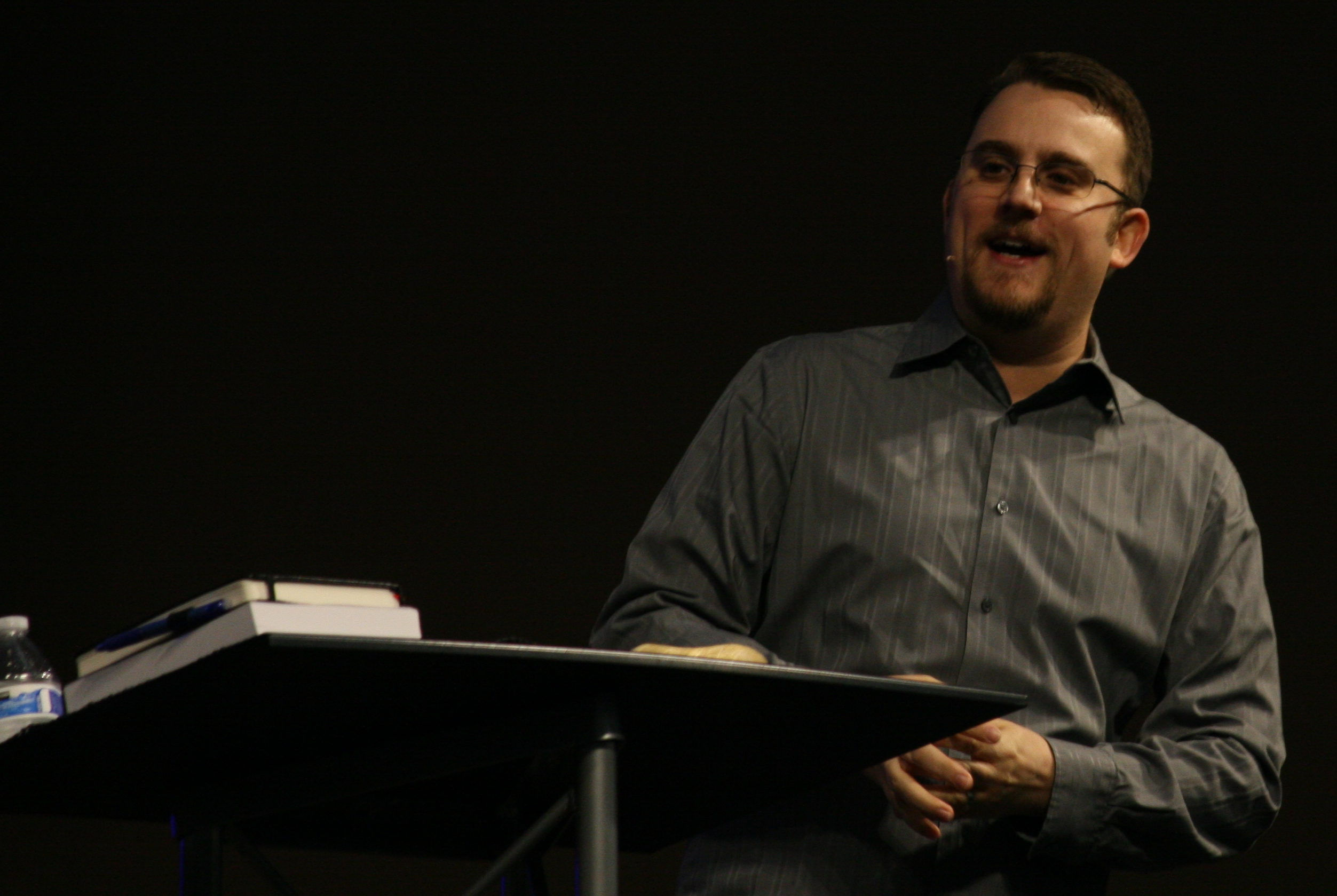 Jason (J.B.) Sisam. Best-selling Amazon author of the Christian Early Reader book,
LEAVE A COMMENT HERE:
Please note: I reserve the right to delete comments that are offensive or off-topic. Also, this is a clean website, use of any language is not tolerated and your post will be deleted.